

Spatial awareness difficulties are the fancy name for a common childhood problem: not knowing exactly where your body is in space. If your child is constantly bumping into things, knocking items over, or misjudging distance, you may be wondering what is spatial awareness—and whether a lack of spatial awareness is something to worry about.
So, what does spatial awareness mean? Spatial awareness is the unconscious ability to understand where your body is in relation to other people and objects. Most children develop this skill early, but for some, spatial awareness develops more slowly, making everyday movement and directions confusing.
What Is Spatial Awareness?
Spatial awareness refers to a person’s ability to understand the position of their body in space and how it relates to surrounding objects. This includes concepts like up and down, in and out, behind and in front, near and far.
Adults generally have strong spatial awareness because years of movement, experience, and feedback have refined these skills. Children, by contrast, are still developing spatial awareness—and the pace of that development can vary widely.
In children, spatial awareness develops through movement and exploration. Crawling, walking, reaching, climbing, and play all help children build an internal understanding of their bodies in space.
Spatial Awareness Difficulties in Children
Parents may first notice spatial awareness difficulties when warning a child of danger: “Adam, watch out! Jaden is about to bump into you with his tricycle from behind!”
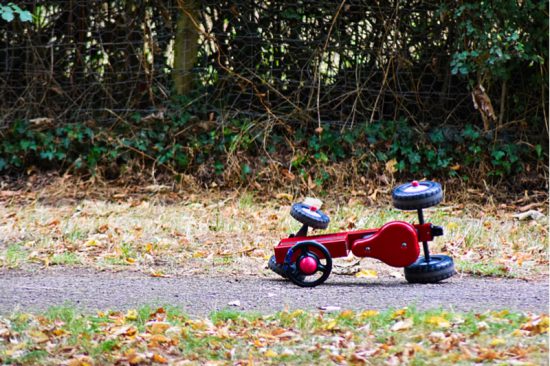

For Adam to stay safe, he must instantly understand where the tricycle is in relation to his own body. If he doesn’t grasp the meaning of “from behind,” he may freeze or move the wrong way—without understanding why he keeps getting hurt.
Spatial awareness difficulties may also show up during everyday instructions, such as asking a child to put an item on top of something or inside a drawer.
Key Directional Words and Lack of Spatial Awareness
A child with a lack of spatial awareness may understand object names but struggle with directional words like on, under, between, or behind. These words depend on spatial understanding, not vocabulary.


When these concepts don’t click, even simple instructions can feel overwhelming and confusing.
Processing Spatial Stimuli
Spatial awareness develops through a series of cognitive processes that allow the brain to process, interpret, and organize sensory information from the environment.
An infant learning to reach for a toy is developing both proprioception (awareness of body position) and spatial awareness (judging distance and reach).

Greater Spatial Precision and Awareness Comes With Age
As children grow, their understanding of distance, position, and size becomes more refined. Objects appear smaller when far away and larger when close.
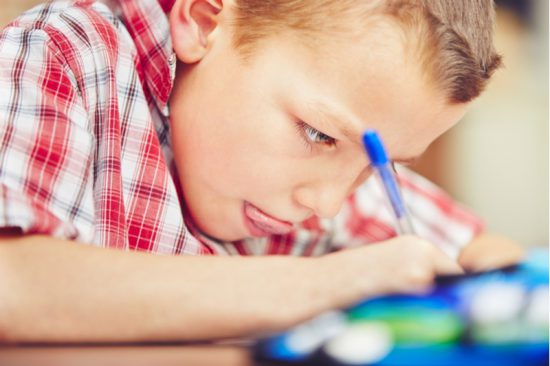
Children with spatial awareness difficulties may appear clumsy, stand too close or too far from objects, or struggle with handwriting, sports, and classroom tasks.
Spatial Awareness and Autism
Spatial awareness difficulties can sometimes be associated with developmental conditions, including spatial awareness and autism. While not all children with autism experience spatial challenges—and not all spatial difficulties indicate autism—movement, body awareness, and spatial processing differences are common in some children on the spectrum.
Freedom of Movement and Its Effects on Spatial Perception
Children develop spatial awareness best through movement and exploration. Crawling, climbing, dancing, and running help children learn how their bodies interact with space.
Illness, developmental delays, or limited movement during critical developmental stages can interfere with spatial awareness development.
How to Improve Spatial Awareness
The good news is that spatial awareness can improve with practice, therapy, and targeted activities. These strategies can help you improve spatial awareness at home and support skills your child is still developing.
- Target games (beanbags, hoops)
- Obstacle courses
- Dance and movement to music
- Jigsaw puzzles
- Building models
- “Simon Says”
- Playground activities
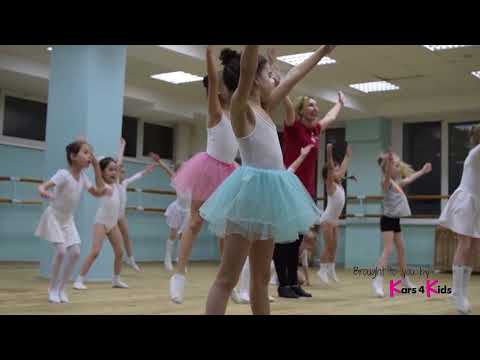
This short video demonstrates activities that can support spatial awareness.
If you think your child may have spatial awareness difficulties, speak with your child’s doctor or teacher. Early identification and support can make a meaningful difference in how your child moves, learns, and navigates the world.