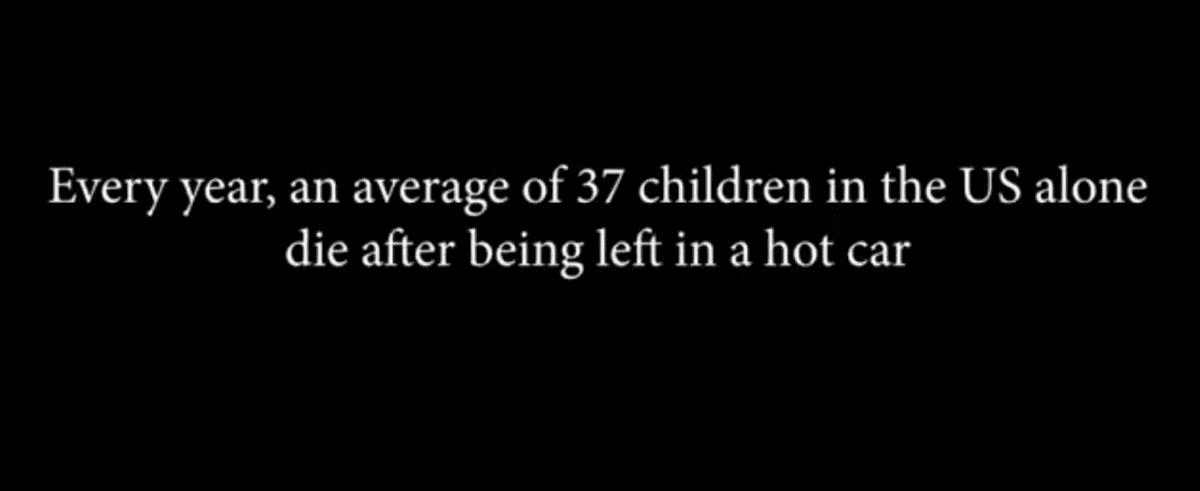
Every summer, dozens of children in the U.S. die from heatstroke after being left in a car — and in most cases, the parent never thought it could happen to them. To understand this dangerous misconception, Kars4Kids conducted a nationwide survey on hot car deaths in June 2018. What we found might surprise you.
What Our Hot Car Deaths Survey Revealed
Hot car deaths, according to our survey, are often seen as something that happens to “other parents” and “other children.” This belief persists despite clear evidence showing these tragedies can happen to any family.
Only 16 percent of parents surveyed expressed genuine concern about the issue. Even more concerning, 78 percent of respondents admitted to having negative thoughts about parents whose children died in hot cars. Alarmingly, 11 percent believed it was acceptable to leave a baby in a hot car for a few minutes.
Why Parents Underestimate the Risk of Hot Car Deaths
It’s troubling to learn that 83 percent of parents surveyed didn’t think a hot car death could happen to them. This false confidence means many aren’t taking even the simplest precautions — like checking the back seat before locking the car.
We conducted this survey as part of our It Can Happen campaign, because we don’t want to see even one more child die in a hot car. The goal was to actively illustrate that the type of parent who forgets a child in a car is any parent.
While hot car deaths can happen in any season, they spike in summer. Each year, we intensify our efforts to educate parents about the dangers of leaving children—even for a short time—in a vehicle. If you’re already taking precautions, we thank you and urge you to keep it up.
Our History in Hot Car Safety Campaigns
Kars4Kids has been committed to raising awareness of hot car deaths for years. One of our early tools was the Kars4Kids Safety App, which used a car’s Bluetooth connection to alert parents to check the back seat before walking away.
Note: The Kars4Kids Safety App has been retired, but our Kars4Kids Safety App page still offers valuable tips on preventing hot car tragedies. For a simple current option, see Clever Elly, a device that reminds drivers to check the back seat before leaving the car.
Even without the app, our campaigns continue to encourage parents to adopt life-saving habits — such as placing a phone or wallet in the back seat so you’re forced to look before locking.
Creative Campaigns to Raise Awareness of Hot Car Safety
To make the dangers tangible, we launched interactive challenges:
-
The Hot Car Challenge: Offering $100 to anyone who could sit in a hot car for ten minutes without giving up.
-
The Hot Cars Cookie Challenge: Demonstrating that a car interior can get hot enough to bake chocolate chip cookies — making the danger to children undeniable.
These campaigns, combined with media and blogger partnerships, have helped us spread awareness far beyond our own channels.
Expert Insights on Why Hot Car Deaths Happen
We’ve worked with leading experts to better understand the causes:
-
David Diamond, a cognitive neuroscientist, explains how brain function can fail under certain conditions, leading parents to forget a child is in the car.
-
Jan Null, a meteorologist and founder of noheatstroke.org, has shown that not all cases are due to memory lapses — and that cars heat up to dangerous levels faster than many realize.
Their findings make it clear: no parent is immune.
How to Prevent Hot Car Deaths: Practical Tips for Parents
Hot car deaths are preventable, but only if parents and caregivers take proactive steps. Here are some proven methods on how to prevent hot car deaths in children:
-
Always check the back seat. Make it a habit to open the back door every time you park — even when you’re sure no one is there.
-
Put an essential item in the back. Leave your phone, purse, or work bag near your child’s seat so you’re forced to open the door before leaving.
-
Set reminders. Use phone alarms, calendar notifications, or smart home devices to prompt you during your usual travel times.
-
Communicate with caregivers. Arrange for daycare or school staff to call you immediately if your child doesn’t arrive as expected.
-
Lock parked vehicles. Keep children from climbing inside on their own and becoming trapped.
-
Use a reliable reminder device. Products like Ride ’n Remind give an audible prompt to check the back seat every time you turn off your car.
-
Teach older children to honk. If they ever find themselves alone in a vehicle, they should know how to honk the horn to alert others.
-
Avoid distractions before drop-off. Limit phone calls and multitasking during the morning routine, when memory lapses are most common.
Making these actions part of your routine can save a life.
Frequently Asked Questions About Hot Car Deaths
How quickly can the inside of a car heat up?
Temperatures inside a vehicle can rise by 20°F in just 10 minutes, even with the windows cracked. This means that on a warm day, a car can reach deadly heatstroke levels very quickly.
Can hot car deaths happen in cooler weather?
Yes. Even when it’s 60°F outside, the inside of a parked car can heat up to over 100°F within an hour. Children are especially vulnerable because their body temperature rises three to five times faster than an adult’s.
Who is most at risk of being left in a hot car?
Most hot car deaths involve children under the age of 3. In many cases, parents or caregivers simply forget the child is there — often due to changes in routine, stress, or fatigue.
What’s the best way to prevent hot car deaths?
Make a habit of checking the back seat every time you park, keep essential items near your child’s car seat, communicate with caregivers, and consider using a reminder device like Doona SensAlert.
Our Ongoing Commitment to Preventing Hot Car Deaths
At Kars4Kids, we will continue raising awareness and educating families about this preventable tragedy. We ask all parents to take precautions, even if they think it could never happen to them.
It costs nothing but a moment’s thought — and it may save your child’s life.
 About Varda Epstein
Varda Meyers Epstein serves as editor in chief of Kars4Kids Parenting. A native of Pittsburgh, Pennsylvania, Varda is the mother of 12 children and is also a grandmother of 12. Her work has been published in The Washington Post, The Huffington Post, The Learning Site, The eLearning Site, and Internet4Classrooms.