

Dr. Google is the first place many pregnant women turn when the questions start coming. Those two pink lines bring instant excitement—and a flood of uncertainty. But with weeks to go before the first prenatal visit, moms-to-be often head straight to the internet for answers.
In a well-known 2014 Penn State study by Dr. Jennifer Kraschnewski, researchers found that pregnant women—especially first-timers—felt their early concerns weren’t being addressed. Prenatal care often doesn’t begin until around the 8th week. In the meantime, women used Google, apps, and forums to fill the gap.
That’s pretty late in the game, especially with early pregnancy tests easily available over the counter at drugstores everywhere. Women find out they’re pregnant and then have to wait for two months to get answers to their questions. Is it any wonder they’re excited and curious? Is it any wonder that in the absence of access to a medical expert, moms-to-be turn to the Internet seeking the information they crave?


Some Consult Dr. Google Monthly
Since then, more research has shown just how common this is. A 2016 review of studies from countries like Sweden, Italy, and Turkey found that most pregnant women search the internet at least once a month—many far more often. Top topics include fetal growth, nutrition, labor pain, and prenatal testing.
The Good, the Bad, and Dr. Google
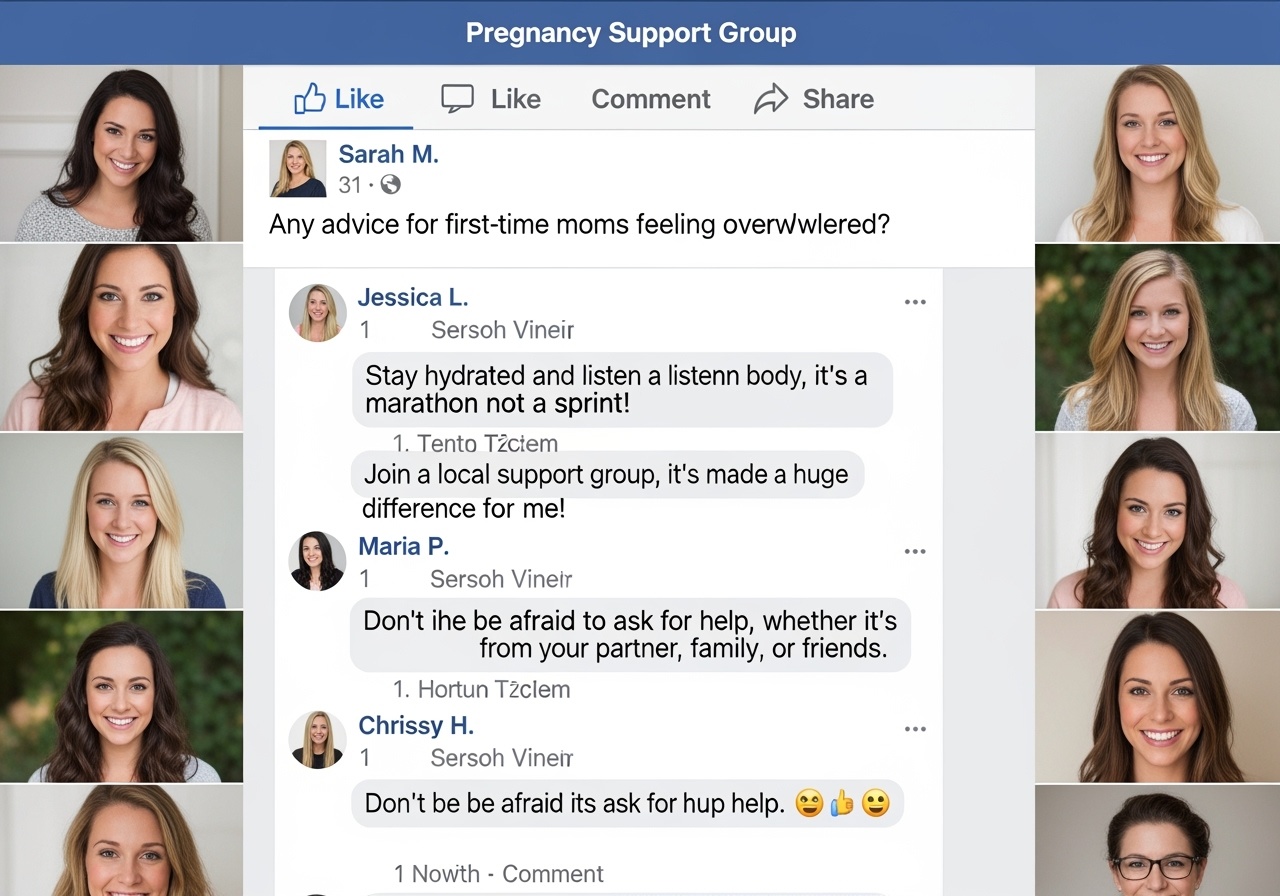
It’s not just about facts. In a 2022 review by psychologist Megan Conrad, women reported going online not only for information, but also for support and reassurance. Many said reading about others’ experiences made them feel less alone—even if they knew some of the information wasn’t fully accurate. Dr. Google felt emotionally helpful.
A 2021 Turkish study by Serçekuş et al. found that 92% of pregnant women used the internet for childbirth information. Most visited blogs, mobile apps, and social media. While 24% said online info helped ease their fears, nearly 15% said it made them more anxious.
And a 2017 study in JMIR found that women often used online forums not just for facts, but for emotional comfort. “I always go on for reassurance really rather than getting the information,” said one woman. Others said it helped to know they weren’t the only ones with certain worries.
When Internet Advice Replaces Doctors
Across studies, one thing stands out: most women don’t talk to their doctors about what they’ve read online. They may not want to seem difficult or may assume their questions aren’t important. But this silence means doctors miss a chance to correct bad information or offer better resources.
Experts say doctors and midwives should meet moms where they are: online. That could mean recommending trusted websites and apps, asking what moms are reading, and starting conversations about fears and questions that come up between visits.
The internet isn’t going away. For many women, it’s the only place they feel heard in early pregnancy. Dr. Google isn’t perfect—but until real doctors fill the gap, moms will keep searching.