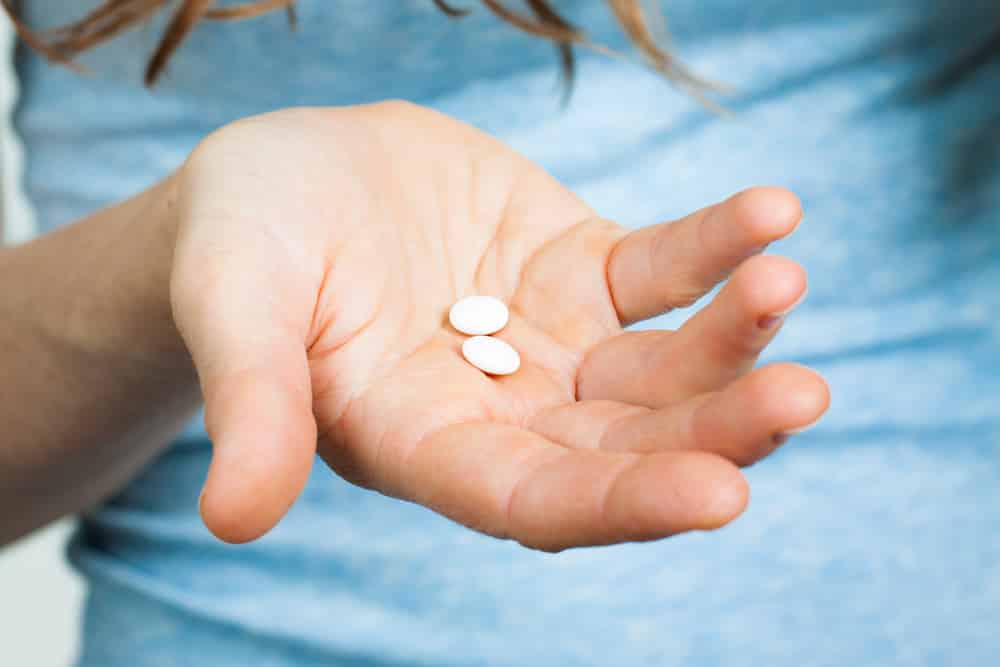
ADHD prescription drug abuse isn’t new—but it’s become more normalized, more sophisticated, and far more pervasive. Over a decade ago, students at elite colleges were quietly snorting Adderall in the library stacks. Today, it’s happening in high schools, middle schools, and remote workspaces—and no one’s whispering.
Stimulants by the Numbers: The New Landscape
According to the CDC, ADHD diagnoses have steadily increased over the past decade—particularly among adults. One analysis from Trilliant Health found a 15.1% rise in Adderall prescriptions among adults aged 22–44 between Q2 2020 and Q2 2021, with the sharpest increases in millennial women. The COVID-19 pandemic accelerated both ADHD diagnoses and access to stimulants, thanks in part to looser telehealth prescribing rules.
College students still dominate the abuse landscape. A 2023 Monitoring the Future survey found that 1 in 4 college students used prescription stimulants nonmedically last year, often around exams. Even more concerning: over one-third didn’t consider it cheating.
How They Get It—and Why It Matters
Two main paths:
-
Faking symptoms to get a prescription
-
Buying or receiving pills from someone with one
Faking It
Let’s be honest: it’s easy. Until recently, some telehealth startups advertised 10-minute ADHD assessments. The DEA has since cracked down, but cracks remain. Many prescribers don’t dig deep—and patients know how to game the system.
Still want that doctor treating your family?
Sharing and Selling
Handing out pills may seem harmless. It isn’t. ADHD meds like Adderall are Schedule II controlled substances, like meth and cocaine. Giving away or selling even one pill is a felony in most states. You’re not “helping a friend”—you’re risking jail time.
During finals? Pills go for $10–25 apiece.
The Suburban Shift: “Mother’s Little Helper,” Rebranded
While students call Adderall “college crack,” its nickname among suburban moms is just as revealing: “Mother’s Little Helper.” It’s a nod to the 1960s Valium era—but this time, the fix is faster and more focused. For some mothers juggling kids, careers, and unrealistic standards, Adderall seems like a lifeline to keep up.
The 2024 National Survey on Drug Use and Health reported that 1.5 million adults misused prescription stimulants in 2023, with women comprising 55% of cases. Anecdotal evidence suggests some mothers obtain Adderall from friends or family to manage parenting and work demands, with one describing it as making her feel “like Supermom,” only to later face its addictive grip.
The pressures are real. But so are the consequences. Adderall is a Schedule II drug for a reason: misuse can lead to paranoia, seizures, addiction—and for moms, a spiral they never saw coming.

Dopamine Feels Great—Until It Doesn’t
These drugs boost dopamine, our feel-good neurotransmitter. That’s why people misuse them. But the risks?
-
Paranoia
-
Aggression
-
Seizures
-
Heart failure
-
Addiction
Especially when crushed, snorted, or mixed with alcohol.
Do They Even Work as Study Aids?
Not really. A 2024 study published in Clinical and Experimental Health Sciences examined the nonmedical use of prescription psychostimulants among medical students. The researchers found that such use did not significantly impact academic performance, as measured by grade point averages. However, many students reported positive subjective experiences, suggesting a potential placebo effect.
As one student put it: “I could’ve studied without Adderall. I just couldn’t have studied with such ecstasy.”

Shortages Hurt Real Patients
In 2023, there was a national Adderall shortage. The FDA confirmed that manufacturers couldn’t keep up with demand. Some pointed to overprescribing and abuse as contributing factors.
Kids who actually needed the meds couldn’t get them. Yet off-label demand—often glorified on TikTok—continued to climb.
Cultural Blind Spots
Why do we turn a blind eye?
Because it mirrors things we already accept: caffeine for energy, wine for nerves. But this isn’t your morning coffee. It’s a tightly regulated amphetamine.
And it’s habit-forming.

Bottom Line: The Drug Can’t Do the Work for You
Even when prescribed appropriately, ADHD meds aren’t magic. They can sharpen focus—but they can’t supply motivation, discipline, or good study habits. Without those, the pills are just expensive distractions.
Need proof? Some students on stimulants hyperfocus—not on coursework—but on alphabetizing their playlists or deep-cleaning their kitchens during finals.
Misusing ADHD medication isn’t harmless. It’s illegal. It’s addictive. And it diverts attention—literally and figuratively—from what actually drives success: consistent effort, not chemical shortcuts.
Real productivity doesn’t come in a pill. It comes from structure, self-control, and sometimes, just putting your phone in another room.
 About Varda Epstein
Varda Meyers Epstein serves as editor in chief of Kars4Kids Parenting. A native of Pittsburgh, Pennsylvania, Varda is the mother of 12 children and is also a grandmother of 12. Her work has been published in The Washington Post, The Huffington Post, The Learning Site, The eLearning Site, and Internet4Classrooms.