
As parents, we want our children to have the freedom to explore the world around them. We know instinctively that kids learn more when they discover things on their own.
There’s a big difference between hearing a teacher explain what tree bark is and touching the bark of a tree with your own hands. That’s active learning—a process that activates more of the brain and encourages deeper thinking. But giving children the freedom to explore also means holding back. It requires letting them engage without stepping in too quickly to explain.
Here are some interactive and thought-provoking tools that promote discovery and creative thinking—without telling kids what to think or how to use them.
Explore a Drawing Tool
Neonflames is a mesmerizing digital art platform that lets kids create swirls of color and light. But here’s the twist: don’t tell them it’s a drawing tool. Just open the page and let your child figure it out.
They’ll soon discover how mouse clicks and movements affect the patterns, brightness, and color. Without instructions, they’ll engage with the tool in their own way—experimenting, adapting, and learning through play. This is what true exploration looks like.
Contemplate Mood Music
We’ve all heard that music can calm or energize us. But did you know there’s science behind that?
In 2011, the band Marconi Union worked with sound therapists to create Weightless, an 8-minute track with a tempo of 60 beats per minute—ideal for syncing with heart and brainwaves. It’s been described as one of the most relaxing songs ever recorded.
Try listening to it with your child. Then ask:
-
How does this song make you feel?
-
What music makes you feel awake or excited?
-
Does music help you study or focus?
These kinds of questions give your child the freedom to explore not just art, but emotion and self-awareness.

Freedom to Explore What’s Real (and What’s Not)
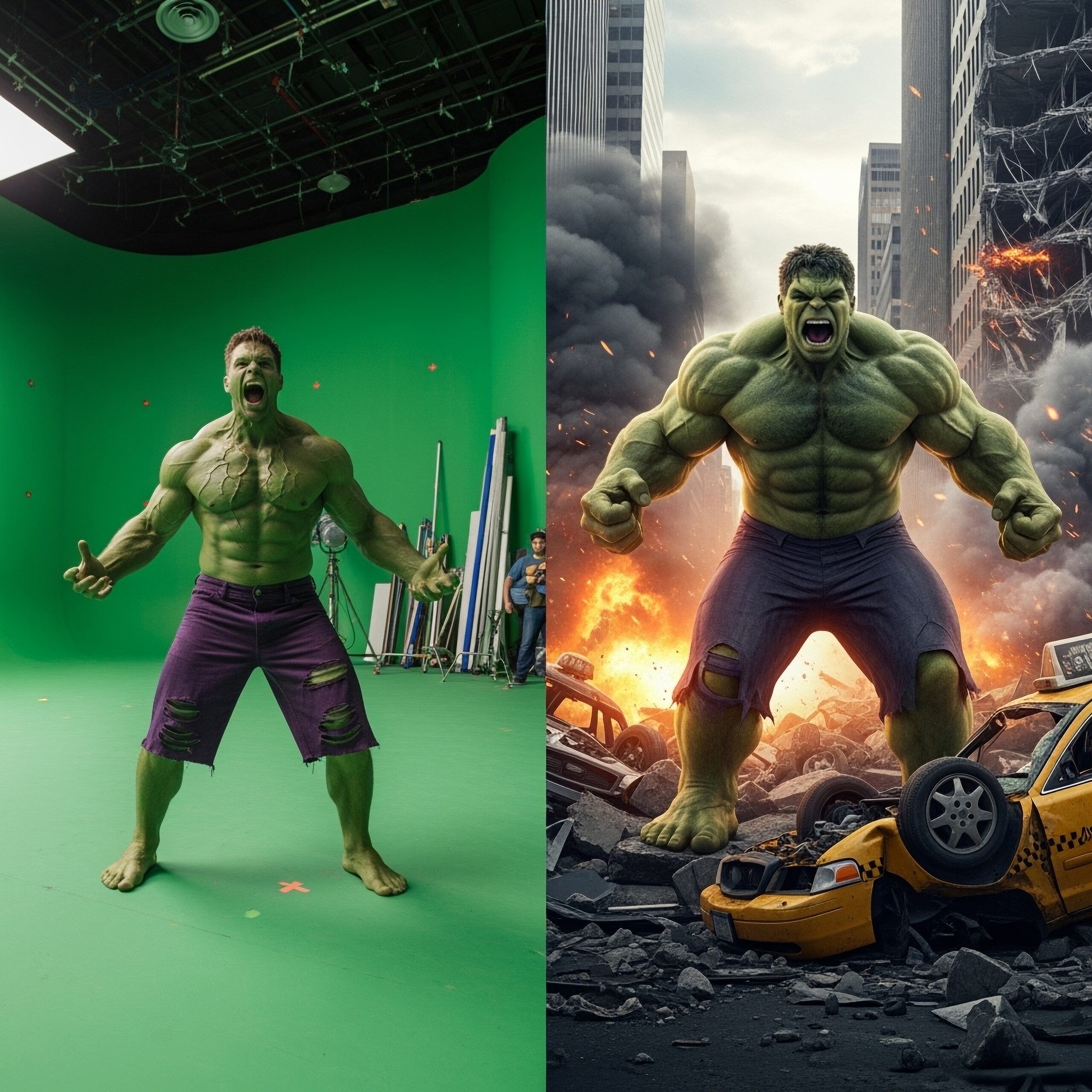
Ever wonder how movies create jaw-dropping special effects? CGI and green screen technology make it possible—but most viewers don’t realize just how much is digitally inserted.
Show your child these green screen before-and-afters from famous films. Then watch a movie together and try to spot where effects were used.
This is a fun way to encourage critical thinking and media literacy. Kids begin to ask: “Is what I’m seeing real?” That question is more important now than ever.
Freedom to Imagine Any Room You Like
Some kids love to build, draw, or decorate—and that might point to a future in design or architecture. These careers require a mix of skills: math, spatial reasoning, creativity, and even environmental awareness.
Get your child thinking with these 31 amazing room designs. Some are magical (a slide from bed to closet!). Others? Let’s just say… not everyone’s taste.
Ask your child:
-
Which rooms are your favorites?
-
What doesn’t work—and why?
-
Who might live in that kind of space?
-
How would you improve it?
These kinds of questions spark design thinking—and open doors to creativity and career dreaming.

Why Freedom to Explore Matters for Kids
The best learning doesn’t always come from lectures or worksheets. Sometimes, the greatest growth happens when kids are simply given space to play, reflect, and question.
From digital art to music, from film to interior design, every link here offers your child the freedom to explore—and that freedom just might change the way they see the world.
Originally published May 22, 2014. This post has been fully revised and updated for accuracy and scope.
 About Varda Epstein
Varda Meyers Epstein serves as editor in chief of Kars4Kids Parenting. A native of Pittsburgh, Pennsylvania, Varda is the mother of 12 children and is also a grandmother of 12. Her work has been published in The Washington Post, The Huffington Post, The Learning Site, The eLearning Site, and Internet4Classrooms.