
Can trauma today hurt our grandchildren in the future? Research suggests it can. A new study in Pediatrics reveals that trauma or violence at home leaves a lasting mark—even on a child’s DNA. The study, led by Tulane University School of Medicine, found that children exposed to suicide, domestic violence, or a family member in prison had much shorter telomeres than children from stable homes.
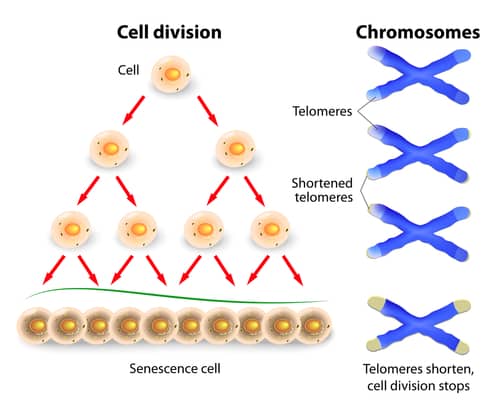
Telomeres protect our chromosomes from shrinking and falling apart. Some scientists compare them to the plastic tips on shoelaces that keep the laces from unraveling. In the same way, telomeres keep our DNA stable.
Shorter telomeres mean faster aging. They’re linked to a higher risk of heart disease, diabetes, and other serious conditions. These include cognitive decline, mental illness, obesity, and poor overall health in adulthood.
Trauma and Adversity Affect DNA
Dr. Stacy Drury and her team at Tulane’s Behavioral and Neurodevelopmental Genetics Lab studied 80 children in New Orleans, ages 5 to 15. They gathered DNA samples and interviewed parents about trauma in the home. “Family-level stressors, like seeing a loved one get hurt, impacted the children’s DNA,” said Dr. Drury. The more adversity a child faced, the shorter their telomeres—even after accounting for income, education, and parental age.
The researchers found gender differences in how trauma affects DNA. Girls showed more severe telomere shortening than boys after experiencing trauma. But there was a twist: boys whose mothers had higher education levels had longer telomeres—a protective effect seen up to age 10.
Dr. Drury believes the findings offer hope. A better home environment may help offset the biological harm caused by trauma.
Damaged DNA Inheritance
Now for a personal note. I started researching this topic because I was worried about how a recent kidnapping in our community might affect my children. Reading about the study left me shaken.
Could these terrible events shorten not only my children’s lives but also those of my future grandchildren? That question haunts me. Damage to DNA can be passed down through generations.
Telomeres, after all, protect our chromosomes from fraying. When they shrink, our cells age faster. Some experts liken telomeres to the plastic tips on shoelaces—without them, things start to unravel.
Telomeres: Like a Biological Clock
In this sense, telomeres act as a kind of biological clock. When they get too short, our risk for heart disease and diabetes goes up. So does the risk for mental illness, cognitive decline, obesity, and general poor health in adulthood.

This makes me think on a larger, sociological scale. Could violent societies die out, at least in part, because of DNA damage? It’s a disturbing idea—but also oddly comforting.
If this is true, violent people may be shortening their own children’s lives. Abusive spouses, terrorists, and others who create chaos could be dooming their descendants. That might leave the future to those who are healthier in both body and mind.
Children raised in stable, loving homes may simply live longer.
Ordinary People Exposed to Violence
Of course, it’s not just criminals who damage their children’s DNA. Innocent people can get caught in tragic situations through no fault of their own. Think of the Boston Marathon Bombing—ordinary people exposed to violence despite living peaceful, normal lives.
As a parent, that truth cuts deep. I can’t always shield my children from trauma. I can’t protect their long-term health from events outside my control.
I can’t protect them from knowing that three teenage boys were kidnapped by terrorists—just walking distance from our home.
Life Partner Suitability?
This has also led me to think about my children’s future marriage prospects.
Has this trauma affected them in ways that might make them less biologically desirable as life partners? I wonder if the kidnapping—and other traumatic events in our community—have left a hidden mark. There was the suicide bombing attempt at our local supermarket. A drive-by terrorist shooting killed a neighbor’s mother. A school shooting took the life of a young boy down the block.
Could all of this have altered the DNA of my children and grandchildren in ways that others might one day question—or even fear?
My husband would say I think too much.
Maybe so.
 About Varda Epstein
Varda Meyers Epstein serves as editor in chief of Kars4Kids Parenting. A native of Pittsburgh, Pennsylvania, Varda is the mother of 12 children and is also a grandmother of 12. Her work has been published in The Washington Post, The Huffington Post, The Learning Site, The eLearning Site, and Internet4Classrooms.