
Magic has fascinated us for thousands of years. In fact, some of the earliest “miracles” in recorded history come from the Bible: sticks turning into snakes, water pouring from rocks, and the creation of the world itself—described in Latin as creatio ex nihilo, or “something from nothing.”
That same sense of awe is built into the word abracadabra, which comes from the Aramaic phrase meaning, “I create as I speak.” This powerful idea links directly to the Jewish concept of imitatio dei—imitating the creative nature of God.
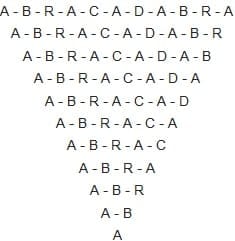
The earliest known use of the word abracadabra appears in a 3rd-century medical text, Liber Medicinalis, by Roman physician Quintus Serenus Sammonicus. He believed an amulet inscribed with the word in a triangle shape could ward off disease.
Magic, it seems, has long been a blend of performance, mystery, and meaning. And for children today, it can also be a tool for creative thinking, skill-building, and confidence.
Simple Magic Tricks for Kids (Ages 6–10)
The website Funology offers a kid-friendly treasure trove of beginner magic tricks. It’s ideal for ages 6–10, and it’s organized into categories like:
We especially loved “Betcha Can’t Crack an Egg”, which explains the physics behind the trick. It’s a magic moment that becomes a science lesson—and that’s the best kind.
Stop-and-Start Tutorials Make Learning Easy
Video tutorials are great for kids learning at their own pace. You can pause, rewind, and practice—without the pressure of a classroom.
This simple card trick tutorial is perfect for ages 10–13. It’s beginner-friendly, but still requires patience and practice. Watch it with your child and encourage them to perform for family or friends—it builds confidence and attention to detail.
The Banana Trick: Magic With Everyday Items
Back in the day, kids bought magic kits from the backs of comic books. These days, all you need is a banana and a needle to pull off this fun and surprising trick.
We love tricks that use common household items because they’re instantly accessible—and still deeply impressive.
Want more? Search for “magic” on VideoJug’s YouTube channel. The tone is fun and upbeat, and there’s something for every skill level.
Perfect Antidote to Screen Fatigue
Today’s kids are digital natives, raised on fast-moving visuals and endless scrolling. They don’t have to imagine what’s missing—everything is handed to them. That can lead to boredom and a lack of creative engagement.
Magic reverses that. It demands personal effort. Kids must build the illusion themselves, understand how the trick works, and then perform it. It engages both body and mind—and offers a sense of mastery rarely found in passive entertainment.
Cardistry and James Galea
Inspire your child further with this short video featuring Australian magician James Galea. Galea was drawn to cardistry, a mix of sleight-of-hand, precision, and artistry performed by a generous, global community.
His message? Magic takes work—but it’s joyful, too. It’s not about deception—it’s about delight.
Every Kid Deserves a Little Magic
From ancient amulets to banana tricks, magic has always captured our attention—and our imagination. Today, it’s also a valuable tool for teaching kids focus, patience, creativity, and self-confidence.
With just a few props and a little persistence, your child can become not just a performer—but a problem solver and a dreamer.
Who knows? A few cool tricks might lead to a lifetime of learning.
Editor’s note: This post was originally published May 15, 2014, and has been completely revised and updated for accuracy and scope.
 About Varda Epstein
Varda Meyers Epstein serves as editor in chief of Kars4Kids Parenting. A native of Pittsburgh, Pennsylvania, Varda is the mother of 12 children and is also a grandmother of 12. Her work has been published in The Washington Post, The Huffington Post, The Learning Site, The eLearning Site, and Internet4Classrooms.